|
|||||||||||||||||||||||||||||||||||||||||||||||||||||||||||||||||||||||||||||||||||||||||||||||||||||||||||||||||||||||||||||||||||||||||||||||||||||||||||||||||||||||||||||||||||||||||||||||||||||||||||||||||||||||||||||||||||||||||||||||||||||||||||||||||||||||||||||||||||||||||||||||||||||||||||||||||||||||||||||||||||||||||||||||||||||||||||||||||||||||||||||||||||||||||||||||||||||||||||||||||||||||||||||||||||||||||||||||||||||||||||||||||||||||||||||||||||||||||||||||||||||||||||||||||||||||||||||||||
|
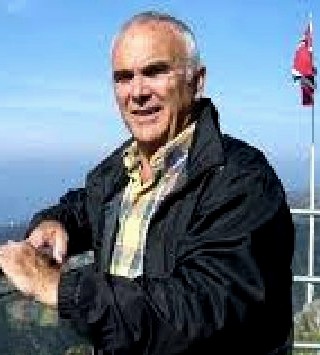
This page is a about a man who is alive today and is the victim of many years of institutionalised discrimination. He is just an ordinary bloke with better than average skills and an inordinately high level of obstinacy. He had the misfortune to settle in the very corrupt Wealden district of East Sussex in England, a land where you are guilty until proven innocent. The human rights abuses know no bounds. The European Convention says it should be: innocent until proven guilty.
HE IS OF COURSE INNOCENT. HE ALLEGES THAT HE WAS STITCHED UP BY SUSSEX POLICE, WHO IN 1997, HAD REFUSED TO INVESTIGATE PLANNING FRAUD IN WEALDEN - A CRIME IN ITSELF: R v DYTHAM [1979] Q.B. 722 AFTER CHALLENGING THAT COVER UP, WEALDEN AND SUSSEX POLICE REDOUBLED THEIR EFFORTS TO BRING THEIR ACCUSER DOWN: R v SUSSEX JUSTICES EX-PARTE MCCARTHY 1924 KBD. EAST SUSSEX COUNTY COUNCIL AND SOCIAL SERVICES ARE COMPLICIT IN THE CONSPIRACY. ESCC BEING PAID FROM WEALDEN' COUNCIL TAXES, AS ARE SUSSEX POLICE.
This was not a problem to begin with, but when he started to challenge his local authority in their decision making - that is when the agencies in the location all started working together to bring him down.
Why? Because he had purchased a property that everyone in the vicinity thought was beyond repair. During the renovation process he realised he had discovered an archaeological find. But this did not suit the local authority who did not want to award any restoration grants to someone they considered to be inferior, and had the temerity to ask awkward questions. Wealden did not like being challenged by anyone, let alone an upstart with no local standing and new to the area.
Wealden District Council reigned hell on the protagonist in this story, spending well over £550,000 pounds of tax payers money to part their adversary from the building that they knew was of archaeological value, but were intent on denying, with the intention that a neighbour or their corporation, would purchase it at fraction of the true value if the find was not admitted. They might then share out the spoils.
Twenty years into the fray and the victim of these Article 3 violations (mental torture) finally uncovered incontrovertible proof as to the origins of the historic find, proving his council to be liars. That would not do.
Not content to apologise for their Gestapo treatment and be able to shake hands, Wealden then embarked on more character assassination in a stitch up for a crime he did not commit. For this Wealden invoked the services of Sussex police, who had been so helpful in 1997, in deflecting an investigation into council officer corruption.
In the process the council tried to deny their victim a toilet and washing facilities, lied to two Secretary of State inspectors and five high court Judges. You could not make this up.
If you thought that Britain was safe from Gestapo like civil servants, think again. This is a true story backed up be verifiable facts.
The point here, and this is an important constitutional matter, is that where there is no right of appeal and the institutions that are supposed to correct injustice are actually part of the problem, the buck stops with either the King or Queen of England. At the moment, that is King Charles III. In not too long, it will be King William V. Queen Elizabeth (RIP) declined to investigate. It is speculative as to what (if anything) King Charles and the future King and Queen, William and Katherine, may do.
We are advised that the Planning Inspectorate (Secretary of State) and King Charles are aware of the issues.
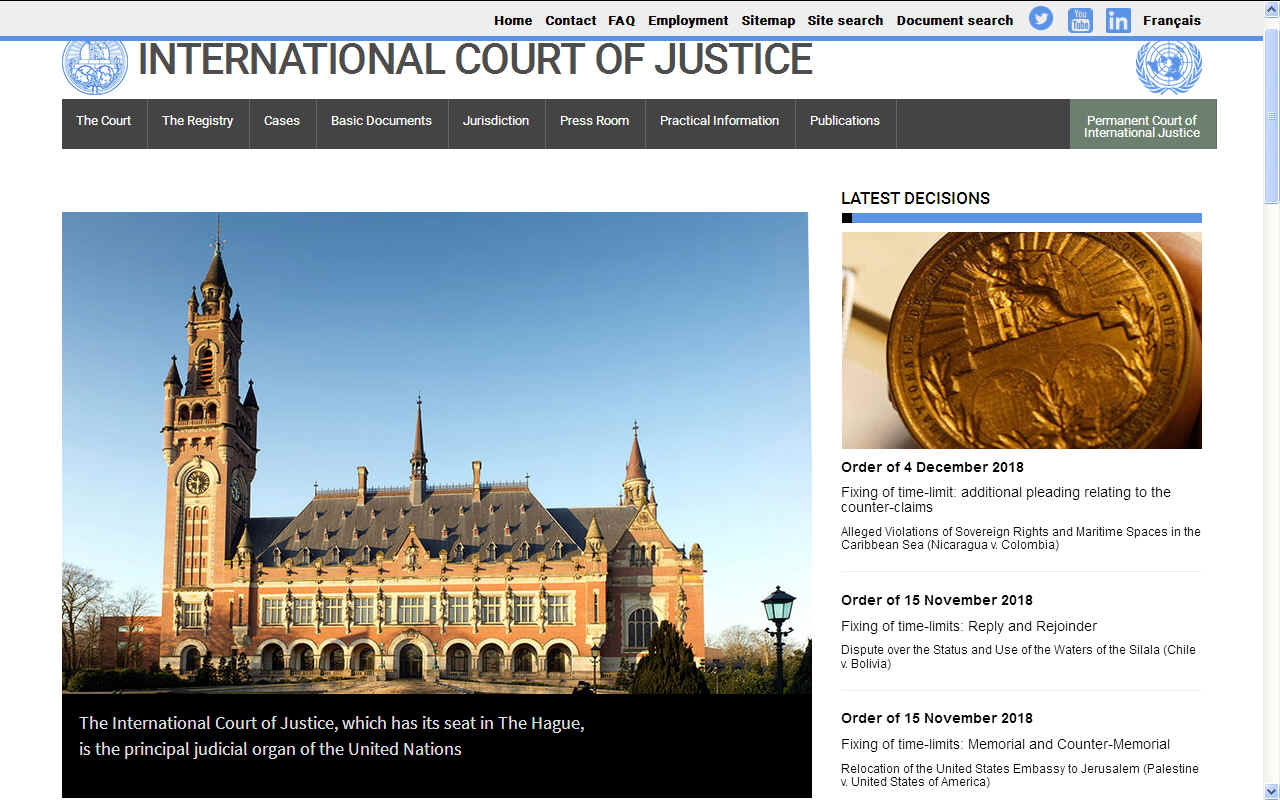
We hope this matter comes to the attention of the European Court of Justice, where two applications have been struck out to 2014. But the violation of the victim's rights are the subject of demonstrable Article 3, Article 5, Article 6, Article 8, Article 13 and Article 14 ongoing human rights abuses.
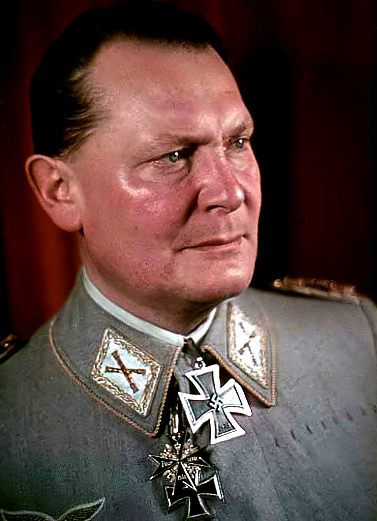
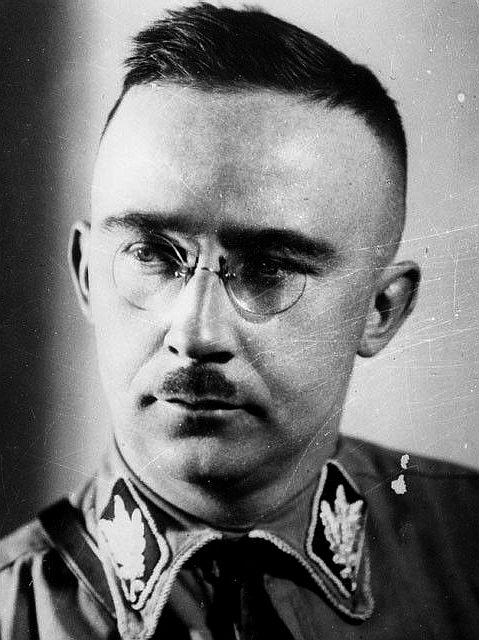
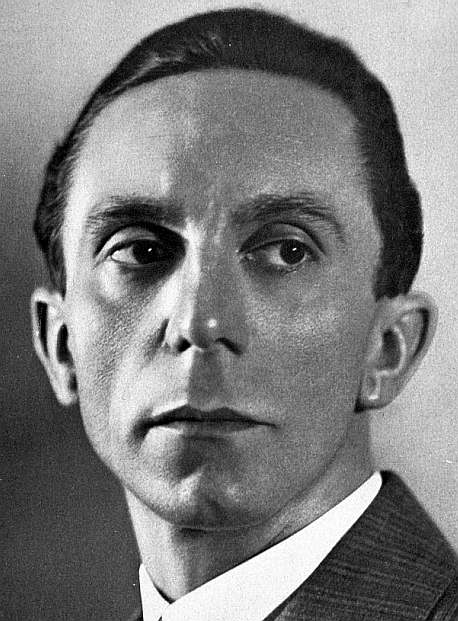
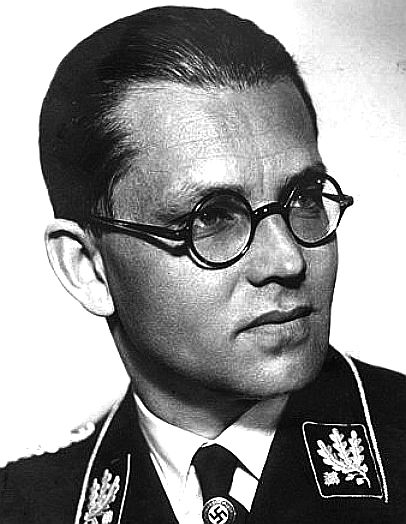
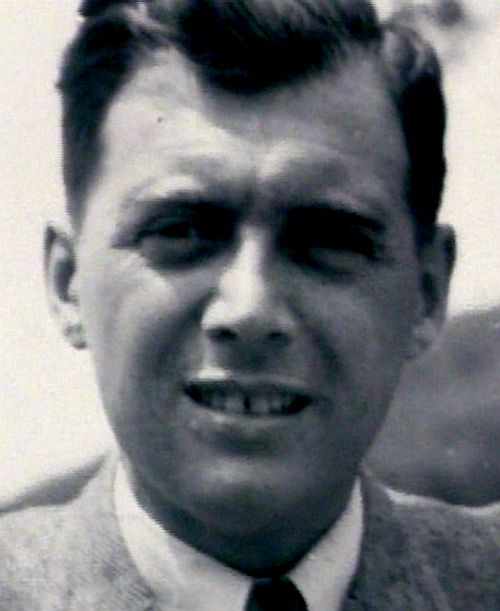
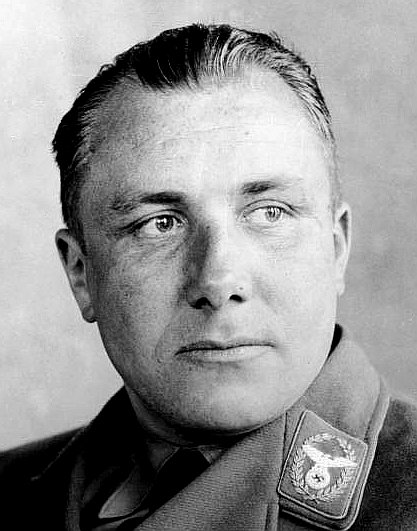
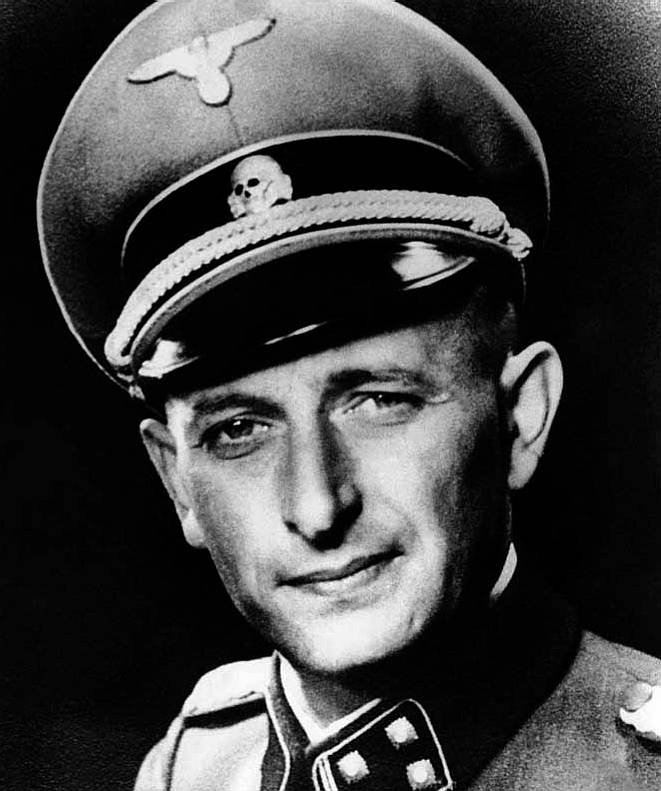
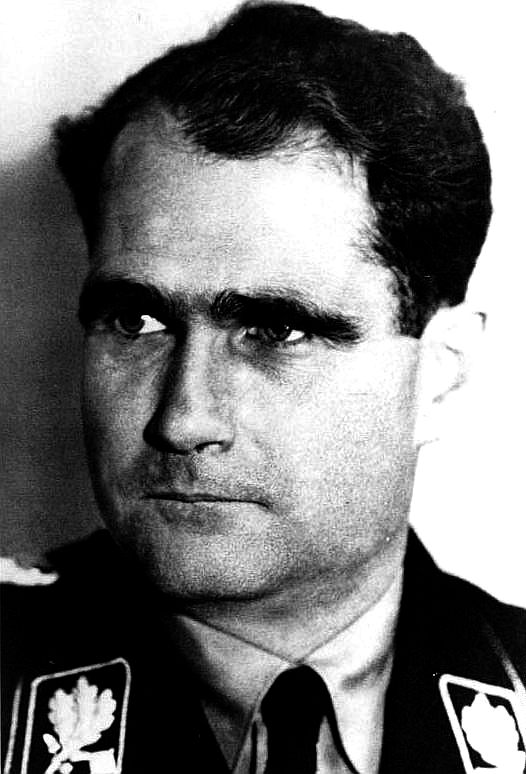
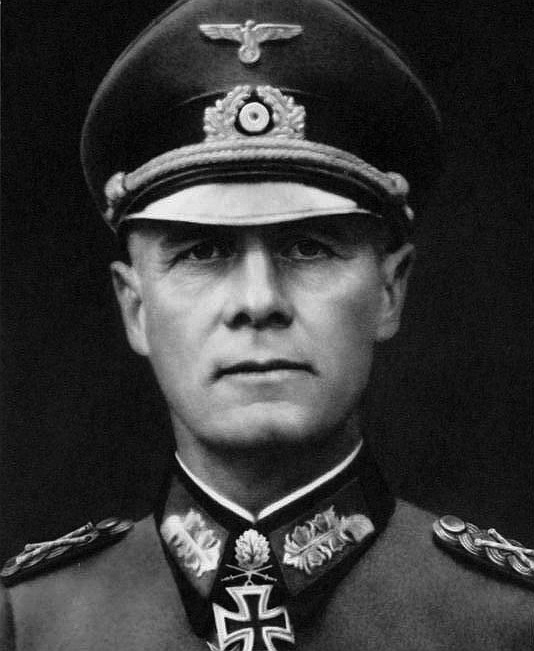
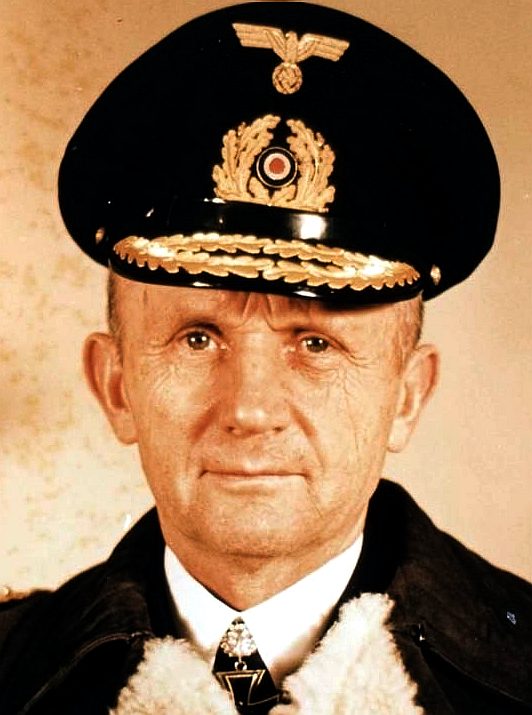
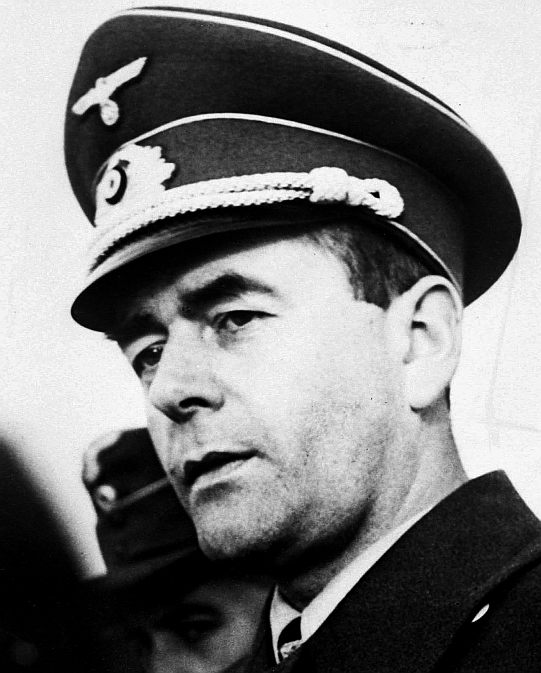
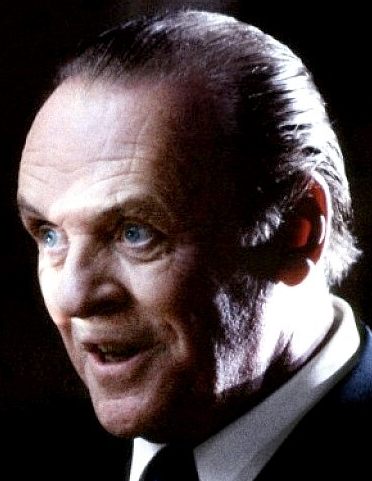
WHO WE WERE FIGHTING AGAINST FROM 1939 TO 1945
UNITED NATIONS - UNIVERSAL DECLARATION OF HUMAN RIGHTS
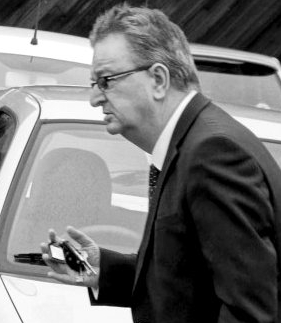
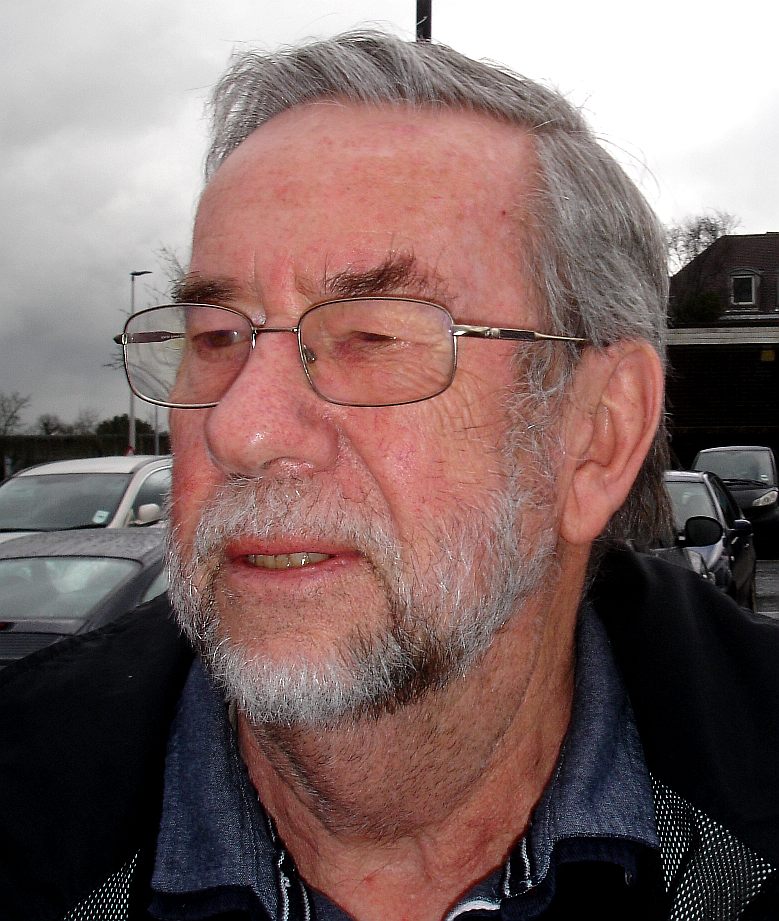
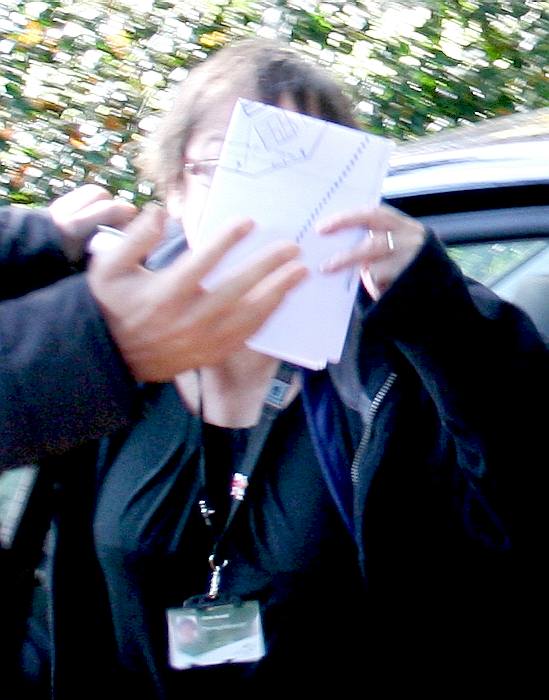
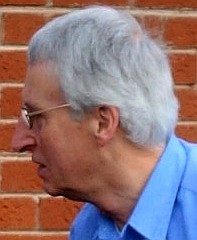
WEALDEN'S OFFICERS FROM 1983 TO 2018
A BIT OF HISTORY
The English tend to treat people with strange names differently. Britain is also riddled with corruption, with local parish councils controlling development for profits by favoured developers.
It was then unfortunate that our protagonist came to England from South Africa when he was just a toddler. He would have had a better life for sure in Africa, or anywhere for that matter, but not in England, and not in Sussex where the police work for the councils, and civil servants are not only a devious bunch, but many of them have their hands in the till, with masonic connections you could not possibly guess at - and Human Rights violations that would make your hair stand on end. Enter Tyrian Lodge in South Street, Eastbourne. Just 100 yards from the police station in Grove Road.
We fought two World Wars to bring an end to tyranny, discrimination and eugenics programmes that ended with the industrial scale gassing of Jewish and Polish men, women and children at Auschwitz, Buchenwald, Belsen and other concentration camps.
You would imagine then that Britain as the head of the Commonwealth, would be extra vigilant to be sure that all statute enacted after the Human Rights Act 1998, would be compatible with Articles 6 and 14. You'd be wrong. In Her Majesty's United Kingdom it appears you get honours for rigging the system in the form of David Blunkett introducing the Sexual Offences Act 2003, an Act that reverses the assumption on innocence, where anyone accused of a sex crime is presumed to be guilty on entering a Court for trial. For introducing this Act David became Lord Blunkett. Wow! Whereas, we assert that for this Nazi like reversion to the days of Witch Hunts, that he is nothing less that a human rights criminal.
Put that together with legal aid limitations and the level playing field is well and truly tilted, virtually guaranteeing a conviction, as well the Criminal Prosecution Service know and use to their advantage.
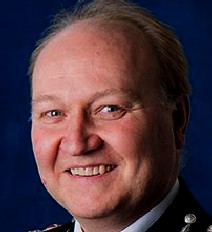
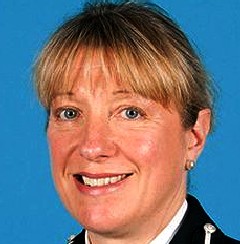
SUSSEX POLICE CHIEF CONSTABLES
Paul Whitehouse (1993-2001) Ken Jones (2001-2006) Joe Edwards (2006-2007) Martin Richards (2008-2014) Giles York (2014 >>)
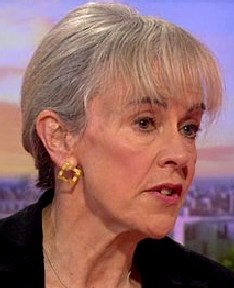
CCRC OFFICERS 2018
Jonathan Baume - Sally Berlin - Ian Brooks - Liz Calderbank - Caroline Corby - Rachel Ellis - Richard Foster - Jill Gramann Justin Hawkins - Celia Hughes - Andre Katz - Karen Kneller - Stephen Leach - Linda Lee - Alexandra Marks Sharon Persaud - Jennifer Portway - Andrew Rennison - David James Smith - Robert Ward
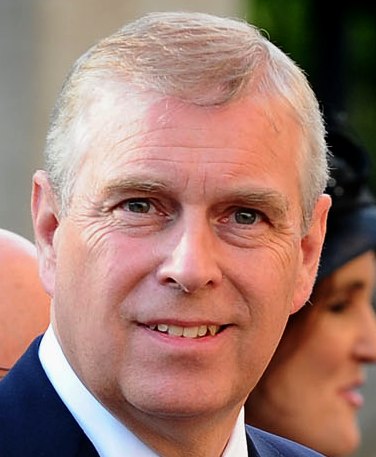
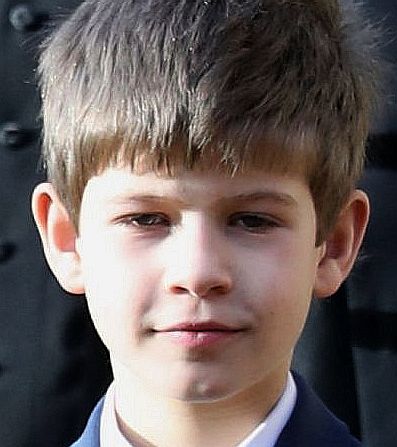
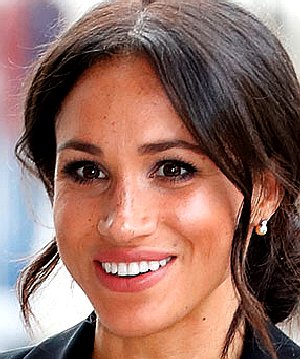
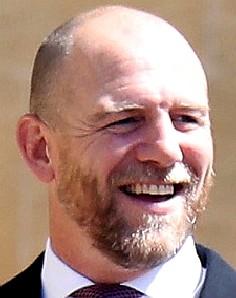
IN THE UK THE BUCK STOPS HERE: ROYALS FAMILY HEADS OF STATE 2018
Any one of the Royal Family might be in line to look at the matters raised, before taking the case to the United Nations. In theory, before the Royals, the Criminal Cases Review Commission should step in, but they have already fumbled the ball rather badly. This is because their remit allows them to take a view, where taking a view is not Article 14 or Article 17 compliant. In the UK we have no Article 13 in the domestic HRA 1998. We think this means that the only recourse where the CCRC are helping masonic chums, is to petition the Head(s) of State.
A TO Z OF ROYAL FAMILY MEMBERS 2018
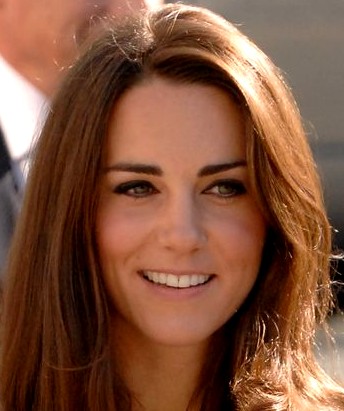
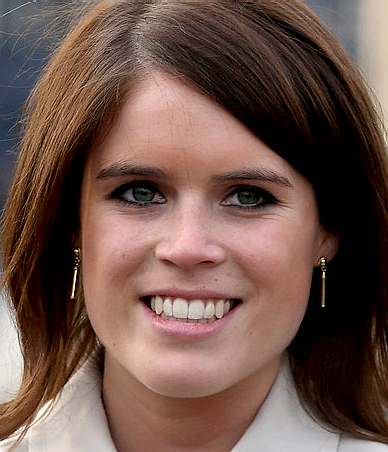
Catherine Duchess of Cambridge
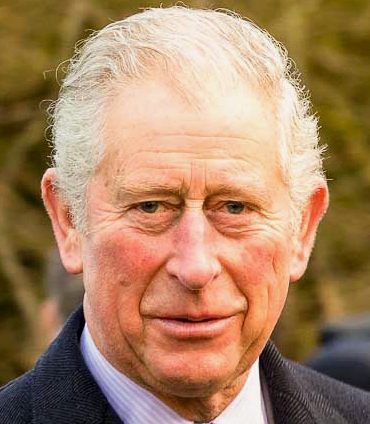
Charles Prince of Wales
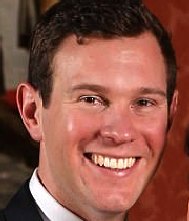
Jack Brooksbank
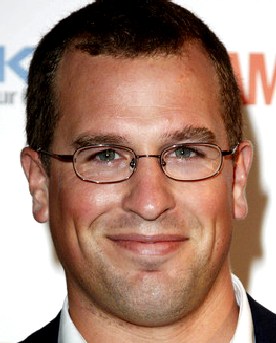
Peter Phillips
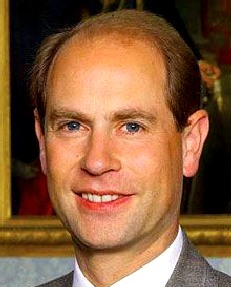
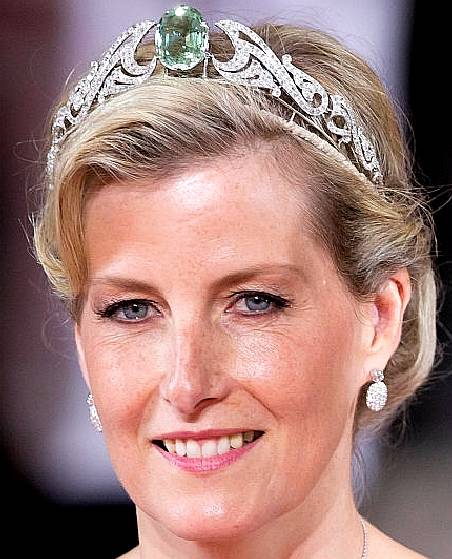
Sophie Countess of Wessex
The United Nations Commission on Human Rights was established in 1946 to weave the international legal fabric that protects our fundamental rights and freedoms. Composed of 53 States members, its brief expanded over time to allow it to respond to the whole range of human rights problems and it set standards to govern the conduct of States. It also acted as a forum where countries large and small, non-governmental groups and human rights defenders from around the world voiced their concerns.
OUTSTANDING ISSUES
Between 2003 and 2006 Nelson set traps for Wealden District Council officers who were routinely abusing landowner's rights. One trap in Tilley Lane in Sussex involved blocking in enforcement officers who were coming onto site without proper the written proofs from the authorizing committees (S196 T&CP), making such visits illegal. The point here is that any examination of the written authorisation would be evidence of how committees were being duped at committee level and under delegated powers. Because of this, they never carry anything with them that is incriminating.
As is usual in such cases, dog handlers and the local police were in evidence, oblivious to the fact that the council officers were acting illegally, and that they were patsies (unwilling accomplices) to the fraud. The council officers were challenged and asked for their authority while being filmed. The police were naturally confused and asked what was going on. A laminated extract of Section 196 was shown to the officers, who then realised that they had been lied to by this council. But there are good and bad officers. Good officers would have made mention of this on return to their station. Bad officers would have told them to ignore the incident.
A citizens arrest was threatened against Geoff Johnson and others. A citizens arrest is a lawful procedure where a member of the public who identifies a crime in progress, may apprehend the perpetrators - even with police officers present - and then hand the criminals over to the police, or call the police and explain the crime.
On this occasion Nelson allowed the council officers to leave without arrest on a promise that they would not seek to enter that farm again without the correct paperwork for examination. Those farmers were not bothered again while Nelson was available. But the council realised that they could not continue with their illegal activities while Nelson was on the scene as a dissident challenging their wrongdoing. They had to find a way to discredit him so that other victims of planning related crime would not employ him. In other words, so that councils could continue with their systematic malfeasance in public officer without consequence. Commonly known as selling planning favours - a kind of organised crime that at the moment the police appear to be supporting. Julian Assange is another dissident who is on the official hit list to be discredited. In reality, Europe is just as hard on anyone questioning their systems, as Asia. The only difference is that Asian countries are more honest about their human rights violations.
Nelson was wrongly accused in 2008, taking him out of circulation for about four years and still with his hands tied until 2019, after which, with evidence that was not available to his legal team in 2008, he will be unable to set the record straight conclusively in Her Majesty's United Kingdom - where there is no right of appeal and the Criminal Cases Review Commission are allowed to filter cases in discriminatory fashion. This kind of old boys network that fosters an alternative agenda for the high proportion of masons in the British justice system. Most people laugh when you mention masons, for it conjures up conspiracy theories, but in this case we know that Ian Kay's father in law was a prominent mason and so was Nelson's prospective father in law, before he called off the engagement that would cause so much injustice to rain down on him.
ANATOMY OF A STATE STITCH UP - FLOW CHART
MASONIC CONNECTIONS
an Kay was the assistant district planning officer at Wealden District Council from 1983, we know that he was one of the case officers along with J Douglas Moss, Christine Nuttall and Victorio Scarpa.
We hope that in the process of seeking to put outstanding matters to rest, that Nelson will be aiding the acceleration of the medical sciences, so advancing law enforcement, and exposing judicial malpractices.
EUROPEAN COURT HUMAN RIGHTS
His faith in the European Court of Human Rights was shattered when they struck out a valid claim lodged in 2009, in 2012, simply because in 2012 he applied for a Judicial Review in the UK. He says that the ECHR should have kept his case live where they must have known a JR application to flush out yet more corrupt court officials would be refused by those Judges a part of the old boys network. Anything that challenges the sanctity of the English Courts and violations of Article 5 and Article 6 is strongly resisted by a network of senior judges. Usually, those close to retirement. You may notice that many of the battles that Nelson engages in take years for a result. You may also have noticed that David Cameron wants to wipe out any independent review of British human rights violations.
MORE SUSSEX POLICE INSTITUTIONALISED DISCRIMINATION
In 2013 Sussex Police raided offices taking other papers, smashing down 5 doors in the process, and finally not charging Nelson after a what amounts to a false allegation on the part of Donald Wales, seeking to claim that he'd not signed and posted a Trademark Agreement. But a number of papers went missing. The objective of this exercise was to prevent the innovator from resuming action against the council. This was a bogus claim that fortunately, the victim was able to disprove when a document that had been alleged was a forgery was demonstrably signed by the other party, including the Special Delivery envelope that Mr Wales had used to post it, a number and covering letter, fortunately with copies kept safe elsewhere. Mr Wales was not prosecuted for wasting Surrey or Sussex police time. Damaging property like this is all part of terror tactics designed to frighten targets to desist from their lawful civil objectives.
In 2014 Nelson was again subjected to a false allegation. Sussex Police did not investigate the matter fully, having been provided with keys to premises to prevent more criminal damage. In this case video evidence was edited to cut out the parts that proved he'd been set up, and a key witness was not interviewed even though she had been identified in a written statement as needing to be seen. The objective though of Wealden DC was to prevent Nelson resuming his claims against them by securing another criminal conviction - as in 2008 - by any means possible.
The public should know that agencies work together to manipulate vulnerable citizens in this fashion. In this case a jury were not fooled into ignoring the missing evidence, even though the Judge Anthony Scott-Gall directed them to do so. Our protagonist says that partial faith in the system was restored by this incident, not the legal system, but the sense of fair play of the ordinary man when faced with extraordinary circumstances. It helps to have a barrister who is not part of the ring. Once again, the claimant was not prosecuted for wasting police time.
Should you think that this is just ten years of malicious conduct, you should know that Wealden began persecuting Nelson soon after 1982 when he called them out on a tree preservation matter. By 1998 he had become the subject of a vendetta with over 181 recorded enforcement visits - that were later proven to be based on misinformation (lies). Did the UK not agree to invade Iraq on misinformation under the lead of Tony Blair? No matter how noble the cause, misinformation equals fraud in a society that should be based on honesty and transparency.
Most of the council officers involved in the original stitch up have gone, the present leaders though are suspect if they work to continue such efforts, and not cooperate to set the record straight.
LEGAL AID
This is one of the deciding factors in any defence. How much will a person who is legally aided allowed to defend himself. Will it cover medical experts and forensic examination of computers. The answer is NO. In any case where medical experts are required, or examination of computers, you will be hard pressed to mount any kind of defence. In this case both solicitor Timothy Stirmey and barrister Julian Dale, worked against their client. Refusing to challenge the medical evidence and refusing to call character witnesses, or even take statements.
That left Nelson without any witnesses appearing on his behalf, whereas the state had called a school teacher, a friend of the claimant, the mother of the claimant an a (so-called) medical expert, plus the arresting officer; Gordon Staker.
This was Nelson's first time in a Crown Court trial. He had no idea what he was up against........
THIS PAGE IS UNDER CONSTRUCTION & WILL BE POPULATED AS WE FIND MORE EVIDENCE TO SUPPORT BRINGING THE MATTER TO THE ATTENTION OF THE HEAD OF STATE IN ENGLAND, AND IF NECESSARY, THENCE TO THE UNITED NATIONS COURT OF HUMAN RIGHTS.
TRAVEL
Our protagonist has visited quite a number of countries in his lifetime. These include:
Austria (Vienna and road tour) England (place of residence) France (Paris, Gap and road tour) Germany (Munich and road tour) Italy (Sorrento and islands) South Africa (place of birth) Spain (Santander and road tour) Switzerland (Alps) USA (New York)
He would like to see (would pay to visit) Australia, China, Russia and South America (especially the Amazon rain forest, Aztec and Incan cities) before he gives in to father time. He told us that he'd pass on the Arctic and Antarctic poles, unless of course, he was paid to travel there.
BUSINESS
It is important to keep up to speed with the real world and learn new skills. There is though a conflict between creativity and commerce, which is why artists and inventors rarely become wealthy in their own lifetime.
Always a keen swimmer, from 1974 onward our protagonist began amateur diving. Several training courses ensued with Eastbourne, then Newhaven & Seaford Sub Aqua Clubs before completing his basic training to BSAC Class 3, between 1976 and 1978 at Fort Bovisand Underwater Centre, Plymouth, Cornwall. The then National diving School was run by Plymouth Ocean Projects Limited.
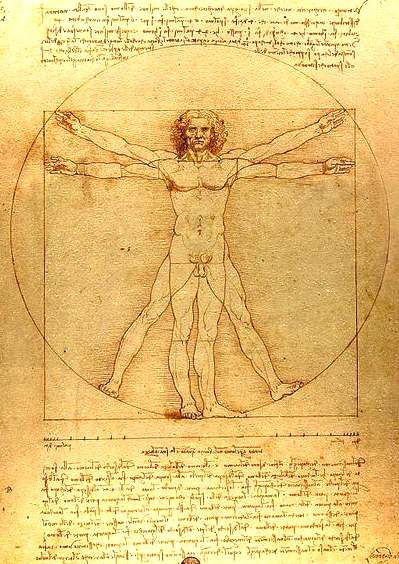
The term "Renaissance man" comes from fifteenth-century Italy and refers to the idea of a person with knowledge and skills in a number of different areas. Perhaps, no single individual defines the idea of a Renaissance man better than Leonardo da Vinci – an artist, scientist, architect, engineer and inventor.
What makes a genius? According to dictionary definition a genius is a person who displays exceptional intellectual ability, creativity, or originality, typically to a degree that is associated with the achievement of unprecedented insight. There is no scientifically precise definition of genius. The term is used in various ways: to refer to a particular aspect of an individual, or the individual in his or her entirety; to a scholar in many subjects (e.g. Gottfried Wilhelm Leibniz or Leonardo da Vinci) or a scholar in a single subject (e.g., Albert Einstein or Stephen Hawking).
Research into what causes genius and mastery is still in its early stages, and psychology offers relevant insights. Genius is expressed in a variety of forms (e.g., mathematical, literary, performance). Genius may show itself in early childhood, as a prodigy, or later in life. Geniuses are often deemed as such after demonstrating great originality. They tend to have strong intuitions about their domains, and they build on these insights with tremendous energy. After you have read the extract below of this man's achievements, refer back to this dictionary definition - when you may come to the same conclusion as ourselves.* Interestingly, our subject shares with Leonardo, the same ability to write in mirror form with his left hand.
Sir Winston Leonard Spencer Churchill (1874-1965)
GENIUS
* Returning then to the subject of genius. Considering the range of skills and sheer volume of items made and demonstrated by just this one man (on this page extracting from his works) and we say there can be no doubt about it. It is not just the range of skills (including wood carving, welding, electronics, metal forming, fine art painting), it is his insight and originality across a range of subjects. Consider then the consistent evolution of designs for various products, including robots, wind tunnels, cars, boats, submarines and eco houses. It is the range of skills and the variety of projects that we say qualifies this man as a Creative Genius and Renaissance Man - and there are many productive years still to come, where he has newly discovered a talent for writing. In history there have been many like him, the most obvious of which is Leonardo da Vinci. One person who had visited a museum in France dedicated to Leonardo da Vinci, and who also had been into our protagonist's workshops, sent a postcard from that location, writing to say that the museum in France was like stepping into his workshops. With this in mind, we hope to preserve as many of our protagonist's creations as possible - for eventual exhibition.
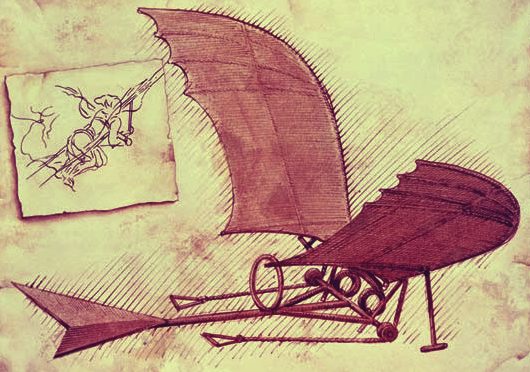
Leonardo’s codices, include concepts of a car, bicycle, helicopter, glider, parachute, SCUBA, submarine, military tank and ideal city to name a few. That list is near identical to projects that our protagonist has worked on and not just on paper. Is that just a coincidence? We don't believe it is, we believe there is some pattern in geniuses, and that maybe Nelson is more closely related to Da Vinci that he realizes. Coming back now to the ability to mirror write, an Australian newspaper (Mackay Daily Mercury) experiment identified 10 true mirror-writers in a readership of 65,000. There are more left-handed mirror writers than right-handed ones, because left-handed people tend to have atypical language centers in their brain. 15% of left-handed people have the language centres in both halves of their brain, but our protagonist is right handed, making him one of the least likely to have this uncanny ability.
When Nelson was 15, he did a similar drawing while trying to work out the key mechanics of the human body, the aim of which was to build a robot. He found the hand to be one of the most difficult components to emulate. We are sure Leonardo would have come to the same conclusion.
LINKS:
https://www.ohchr.org/EN/HRBodies/CHR/Pages/CommissionOnHumanRights.aspx https://www.icj-cij.org/en Château du Clos Lucé - Parc Leonardo da Vinci http://www.chateaux-france.com/closluce https://www.toastmasters.org/ http://www.chateaux-france.com/closluce http://www.telegraph.co.uk/news/uknews/5098814/Leonardo-Da-Vinci-theme-park-to-open-in-France.html http://www.macchinedileonardo.com/index.php?links-eng http://legacy.mos.org/leonardo/qtvr4.html http://www.davincithegenius.com/ http://www.bbc.co.uk/science/leonardo/gallery/vitruvian.shtml http://en.wikipedia.org/wiki/Genius http://www.da-vinci-inventions.com/
|
|||||||||||||||||||||||||||||||||||||||||||||||||||||||||||||||||||||||||||||||||||||||||||||||||||||||||||||||||||||||||||||||||||||||||||||||||||||||||||||||||||||||||||||||||||||||||||||||||||||||||||||||||||||||||||||||||||||||||||||||||||||||||||||||||||||||||||||||||||||||||||||||||||||||||||||||||||||||||||||||||||||||||||||||||||||||||||||||||||||||||||||||||||||||||||||||||||||||||||||||||||||||||||||||||||||||||||||||||||||||||||||||||||||||||||||||||||||||||||||||||||||||||||||||||||||||||||||||||
|
This website is copyright © 1991- 2024 Electrick Publications. All rights reserved. The bird logo and names Solar Navigator and Blueplanet Ecostar are trademarks ™. The Blueplanet vehicle configuration is registered ®. All other trademarks hereby acknowledged and please note that this project should not be confused with the Australian: 'World Solar Challenge'™which is a superb road vehicle endurance race from Darwin to Adelaide. Max Energy Limited is an educational charity working hard to promote world peace.
|
|||||||||||||||||||||||||||||||||||||||||||||||||||||||||||||||||||||||||||||||||||||||||||||||||||||||||||||||||||||||||||||||||||||||||||||||||||||||||||||||||||||||||||||||||||||||||||||||||||||||||||||||||||||||||||||||||||||||||||||||||||||||||||||||||||||||||||||||||||||||||||||||||||||||||||||||||||||||||||||||||||||||||||||||||||||||||||||||||||||||||||||||||||||||||||||||||||||||||||||||||||||||||||||||||||||||||||||||||||||||||||||||||||||||||||||||||||||||||||||||||||||||||||||||||||||||||||||||||