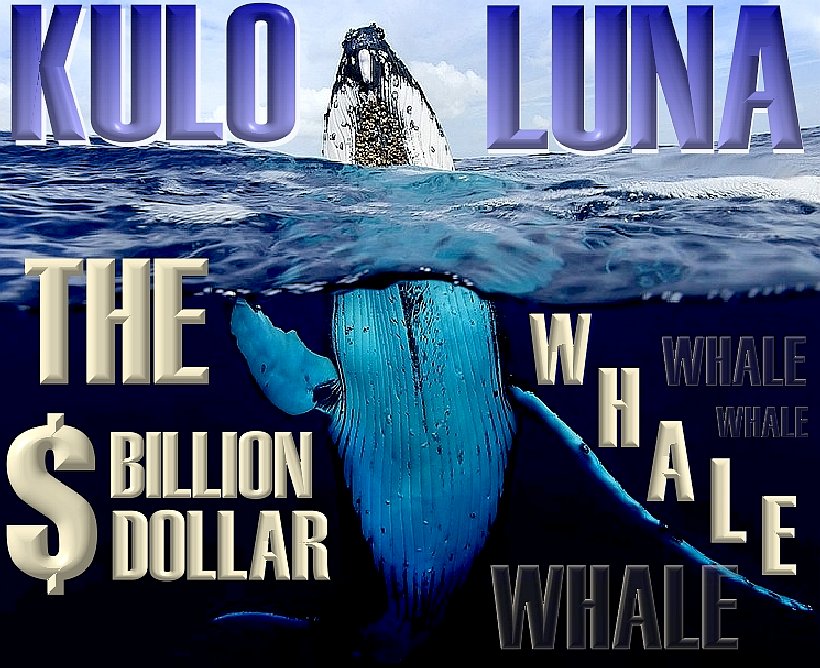
KULO LUNA - the $Billion Dollar Whale by Jameson Hunter
ABOUT THIS PROJECT
This story has been sitting on the chocks waiting for a suitable time to further develop and publish. Mild investment is required to complete the ocean awareness project on a not for profit basis where a percentage of any media entertainment is to go to ocean research in the quest for a solution to plastic pollution.
At the moment this is an art competition to produce a graphic novel for schools and libraries.
By way of background, Blueplanet Universal set the wheels in motion in 2012 with negotiations for the film rights to a series of books by Jameson Hunter (Ltd). This stalled without a portfolio being established.
The Kulo Luna story was then gifted to the Cleaner Ocean Foundation for development in connection with their ocean awareness campaigns. In 2013, Bluebird Marine Systems negotiated the rights to what is now the Elizabeth Swan, for their 'Bluefish' robotics, autonomy and energy capture research. This is a zero carbon shipping project. The Elizabeth Swann was gifted again to the Cleaner Ocean Foundation who are now working with Jameson Hunter to put more flesh on the bones of this pirate whaling adventure. The design of the 40m solar powered Elizabeth Swan is a major asset to the production of John Storm films and need not require investment until the film making stage.
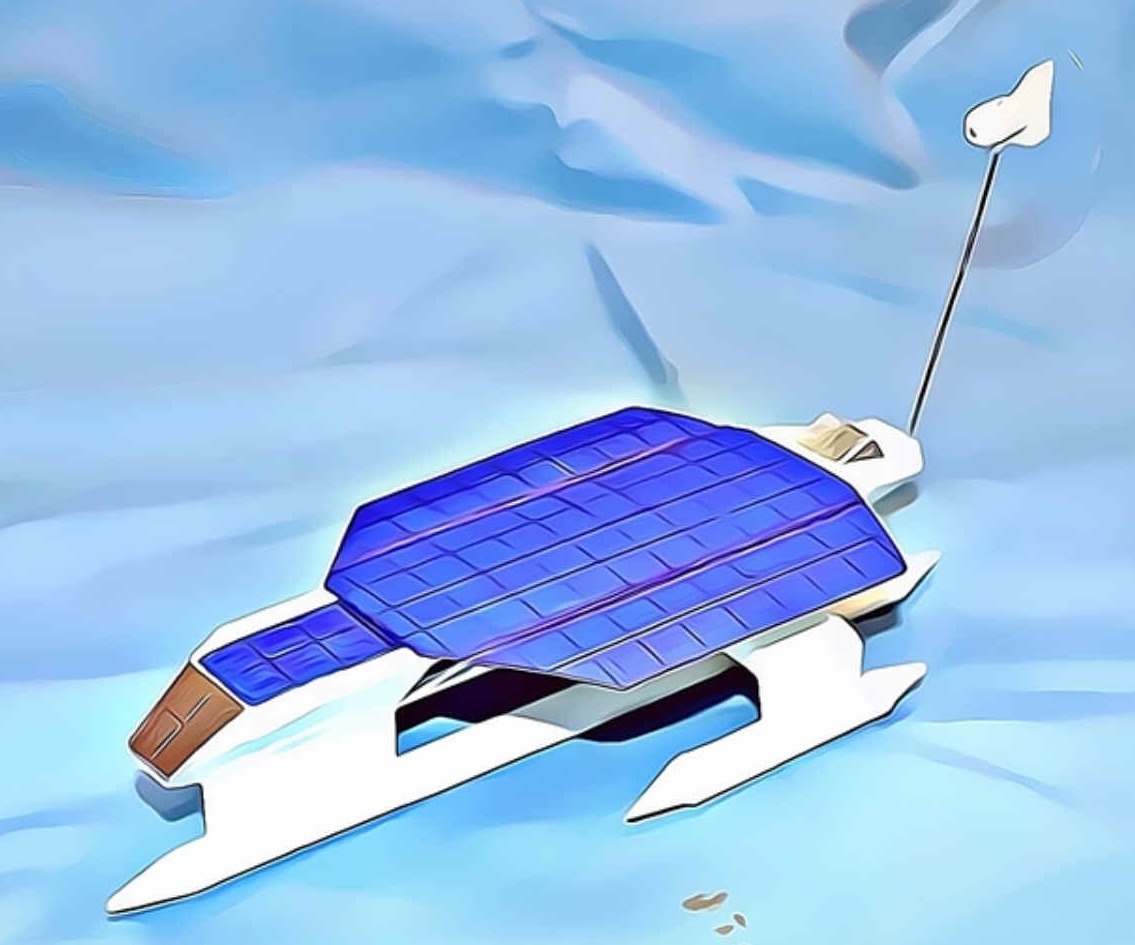
STUNNING CONCEPT - This sleek solar and wind powered vessel is thought to be the queen of solar powered design. as of August 2020. It's not just a model, the designs are for a real boat to demonstrate the state of the art.
The real life adventurer Raphael Domjan powered the PlanetSolar to a solar powered circumnavigation world record in 2012, proving that the solar powered concept is solid. The Elizabeth Swan takes the technology to the next level by incorporating wind generation in an advanced low drag hull. Such a vessel could influence ship design of the future to tackle climate change, a major United Nations agenda under Sustainability Development Goal 13.
Through December 2012 to March of 2013 a version of this film project was costed to be shot at various locations. and developed a marketing concept; the basis of a business plan for enacting in 2021, or as soon as practicable thereafter. The next stage of project development is to turn the almost complete manuscript that we now have into a script. This will not take place until 2021 at the earliest with the present Covid19 issue as a blocker. With a first script in place, we hope to attract a director who will empathize with our objectives - and from there we might begin casting actors with a passion for nature - for a movie to be shot in either 35mm anamorphic film or as near as digital equivalent and 3D:
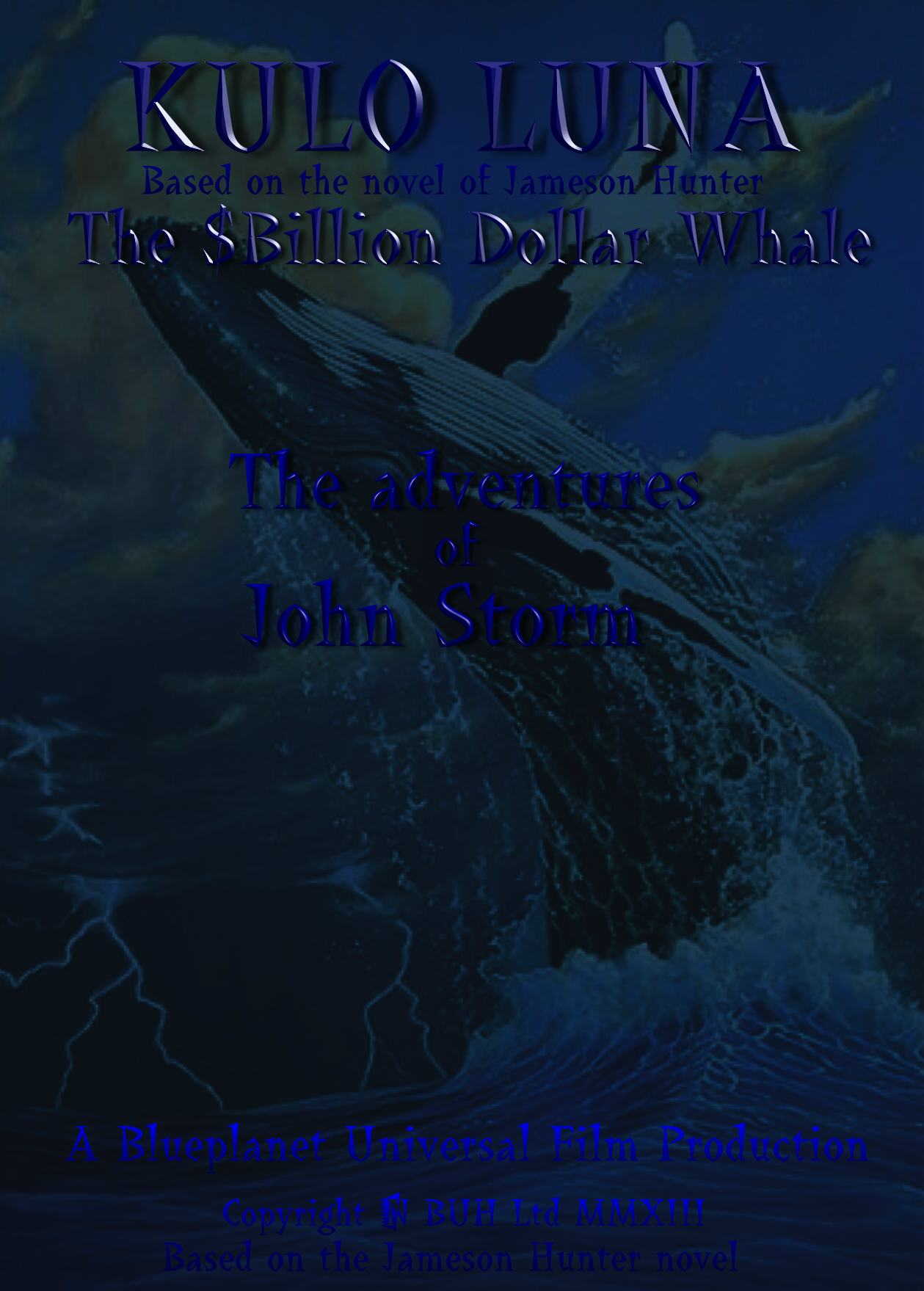
The Adventures of John Storm: KULO LUNA™ - The $Billion Dollar Whale © JH Ltd MMXIII & Cleaner Ocean Foundation 2014 - 2018
|
Title: |
The Billion Dollar Whale |
. |
|
Format: |
35mm Anamorphic (or digital) 3D* |
to HD DVD Blu-Ray |
|
Ratio: |
20 to 1* |
. |
|
Runtime: |
110 minutes |
. |
|
Pre-production: |
39 weeks |
. |
|
Shooting: |
11 weeks |
. |
|
Post-production |
15 weeks |
. |
New film productions represent an excellent investment opportunity with generally speedy returns, tax breaks, and long term dividends. Film production is good for the economy. New film ideas are necessary to sustain the industry. Please see the budget details using the links below. Sample chapters from the book manuscript we hold are also given below by way of teasers as to how a script might be treated. The proposed budget for making this film is just a guide. We are looking to produce a film in a format that will last the test of time.
The guide figure of $160 million dollars is just that; a guide. A good quality film could be produced for considerably less, but is it worth attempting to make a low budget film that will not do justice to reasons for making it. It is all about ocean awareness in a form that will not only educate, but also entertain the first time it is watched, the second and even third time it is viewed by the same person over time. We all have films that we can watch again and again, as the mood takes us. We want Kulo Luna to be one of those films.
There is good and bad in all of us. Help us to bring out the good in those who watch this movie. Be it your neighbour across the street, or the heads of state of the G20 and United Nations members. Help us where you can by supporting this production in any way that you may.
|
55,370.00 |
335,000.00 |
||
|
25,907,500.00 |
176,400.00 |
||
|
693,803.00 |
477,010.00 |
||
|
278,680.00 |
7,254,830.00 |
||
|
20,290,000.00 |
TBA |
||
|
17,500,000.00 |
27,959,000.00 |
||
|
986,300.00 |
R. Profit projected on sales (before corp. tax) |
536,370,000.00 |
|
|
H. Equipment |
242,850.00 |
S. Finance / Interest (5 yrs) |
53,876,570.00 |
|
809,502.00 |
T. Total target film cost (production & distribution) |
107,753,138.00 |
|
|
312,195.00 |
U. Studio property / equipment (invest) |
TBA |
|
|
190,510.00 |
. |
. |
|
|
|
|
. |
. |
|
|
Sales including theatres, downloads, merchandising and networks over 5 years. |
698,000,000.00 |
|
|
|
|
Cost of Sales |
161,629,710.00 |
|
|
|
Net Profit* |
*Subj. corp. taxes |

Kulo Luna $billion dollar whale
When
a pirate whaler kills a small humpback whale, her giant
friend sinks the pirate ship to avenge the death, but is
itself wounded. The pirate
fishermen
put a price on the whale's
head, but an adventurer in an advanced solar powered
boat races to beat the pirates and save the wounded
animal.
A
heartwarming action adventure: Pirate whalers V Conservationists,
with an environmental message and a $Billion dollars riding on the
winner.
KULO LUNA INTRODUCTION John Storm is
obsessed with the search for his ancestors; the
divine spark that separated humans as a species
from his primate cousins. He
has amassed a voluminous collection of DNA
samples from dozens of archaeological digs,
mostly around Tanzania in Africa. He's also fond
of wreck diving, especially on the galleons of
old looking for treasure. One day he inherits a
unique boat from an eccentric English
uncle - his uncle's life's work
- which will change the
course of John's life forever. The boat is solar
powered, artificially intelligent and advanced robotically, sleek and
deadly fast.
Storm decides to enter
it in a
world navigation race,
which he is winning, when Steve Green, a reporter friend,
tells him that a humpback whale is in trouble
2000 miles west of Hawaii ........ and our
adventure begins ......
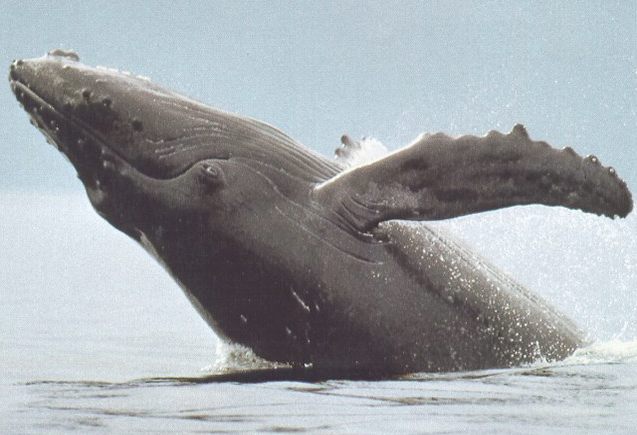
Hawaii's location in the middle of the
Pacific Ocean is relatively nutrient free (which is why their
waters are so clear & blue) and too warm to provide enough of the
humpback's food to sustain them year round. They must migrate to
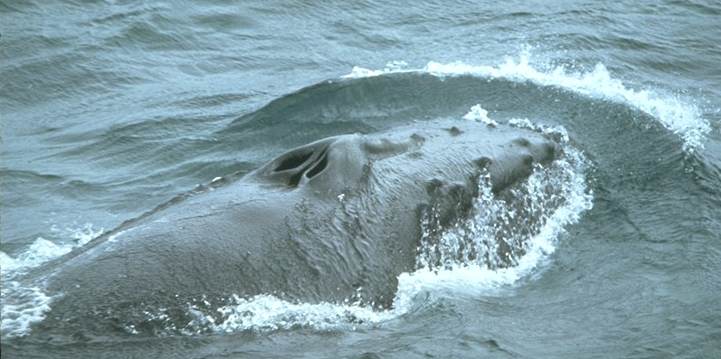
colder arctic water to feed and rebuild their blubber supply. Humpback's
are famous for broaching and singing.
There are many
different groups of whales in three populations spread about the globe,
each with their own familiar patterns. Some are North Atlantic and others cruise the oceans of the southern
hemisphere. The northern group is by far the biggest, making
up approximately 60% of the world's Humpback whale population. Our whale
is a Northerner, making its way from the
Aleutian Islands to the Philippines, when
they are attached by pirate whalers. .. ..
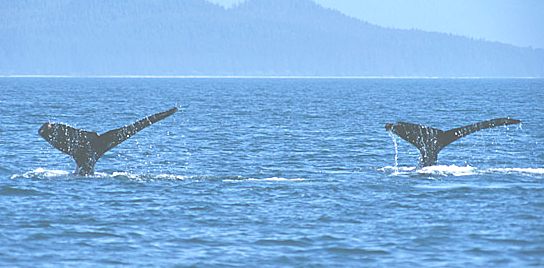
A whale of a
tale - whales are
famous for their tail salutes. They are
intelligent, peaceful creatures, shaped
by millions of years of evolution to
take advantage of seasonal food sources
and natural kindergarten.
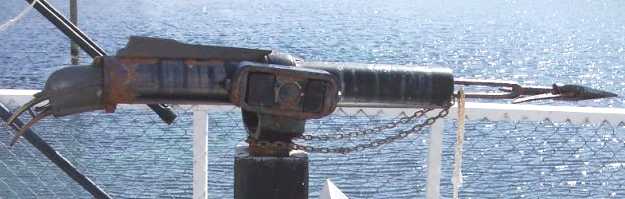
Man hunts
whales with deadly explosive harpoons, though
such activity is controlled via international
treaty - some countries ignore the rules -
ruthlessly slaughtering these peaceful
giants for profit.
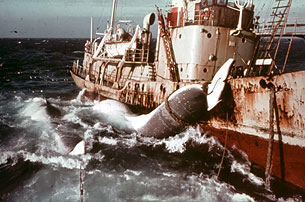
Once
harpooned, a whaling boat ties up a
whale for butchering for meat and
rendering blubber for oil. It is a heart
rending sight - bound to generate rage
in companions.
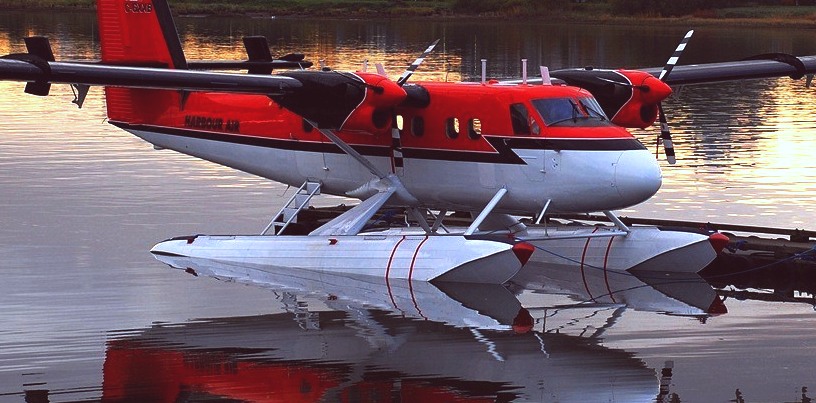
The
model of seaplane that Steve and Charley used to survey
the Arctic ice melt for their story on global
warming acceleration.
PROLOGUE The
twin-engine Shorts seaplane banked left,
executing a graceful well practiced arc taking
the craft parallel to an impressive sheer Arctic
ice face some two hundred and fifty feet high.
The pilot, Peter Shaw, motioned to his
passengers pointing toward a frosted blue ice
section the size of a small island, which had
detached itself from the main body of compacted
icecap, thousands of years old. They flew along
the ice shelf two hundred and fifty feet above
the sea.
“It takes your breath away,” Shaw
said to the nearest of his two passengers, a
reporter named Steve Green.
“Yeah,”
replied Steve after a long delay. He was
transfixed on the scenery.
Then after another
long delay, the pilot continued, “Few people
are not impressed.”
Before them was a
panoramic expanse of white wilderness. Cold,
clean and magnificent, yet in danger of slowly
crumbling into the southern Arctic Ocean, its
fragility revealed by man’s unrelenting
transgressions against the delicate balance of
nature: Global Warming.
In
his youth, Peter Shaw had spent three months as
a volunteer manning a so-called ice-station.
Now, thirty years later he ferried grateful
scientists and reporters to and from various
landmarks. He’d grown to love the crisp Arctic
air. Some might say an acquired taste, others,
inevitable, with a degree of envy. Until now the
flight had lacked communication, but the pilot
kicked into travel guide mode when he saw his
beloved stomping ground.
“The name ‘Arctic’ comes from the Greek
for bear; ‘Arktos’ after the great white
polar bear.” Steve
nodded genuinely interested. “So the Arctic is
the icy land with bears?” asked Steve.
“That’s right,” said Peter “the
Antarctic in so named because it has no bears.
From the Greek ‘Anti’ and ‘Arktos’
making Anti-Arktos, or Antarctic; the land
without bears.”
“And now nobody knows where the name came
from,” said Steve, “they just think of snow
blizzards and sub zero temperatures when they
hear ‘Arctic’.”
Peter and the passenger seated behind, Charley,
said “Uh,huh” in unison then looked at each
other.
“Sure thing, boss”, whispered Charley,
suitably tinged with sarcasm, trying not to move
too much as large blocks of ice face obligingly
cascaded into the freezing Arctic waters. This
fast disappearing ice mass is home to seals and
polar bears, who have a starring role in the
unfolding tragedy that is man’s folly; for it
is man alone who holds the quill that writes
history with his unique ability to understand
and influence his environment.
The
forty-ish reporter carried his 5’ 10” medium
build well and liked his dark straight hair
neatly cut in a modern style and medium length.
He liked being middle aged, and was fortunate to
be young looking and energetic beyond his years.
He’s usually ready to travel anywhere in the
world at the drop of a hat to cover the latest
international incident. As some of his
contemporaries wouldn’t let him forget, he is the
Indiana Jones of reporting, an image reinforced
by his liking for a well worn dark brown leather
jacket, natural cotton chinos and denim shirt,
while in the field. This is because they are
practical clothes that he doesn’t have to fuss
over and they help him blend in.
The
young Steve Green graduated from Oxford
University with a degree in the arts. He took a
job with the well known London paper; the
Evening Standard. After a year learning his
craft, he moved upmarket to The Independent,
when the editor spotted an out of place article
by virtue of being rather better researched than
necessary, about a large raft of ice breaking
from the Arctic shelf. The block was bigger than
the United Kingdom, hence, was big news at the
time and he was head hunted, mainly because a
number of scientific periodicals, notably the
New Scientist, had reprinted the article
verbatim with permission.
From
that point on Green became listed with news
agencies around the world, thereafter
supplementing his journalism with video footage,
which he shot himself in those early days. He
became an expert in his field and thoroughly
devoted to interesting scientific breaking
stories. He liked being at the cutting edge, in
this case the melt ledge.
“Well
Charley, that’s good enough for me. Mr Shaw,
thanks. Would you take us back now?” Another
long silence followed. The seaplane swung away
from the ice face and up, climbing moderately.
The engine noise changed to a deep roar as it
strained, then quietened as the plane leveled out.
“Did
you know it was here the iceberg detached, which
sunk the Titanic.” Steve and Charley looked at
each other, bewildered.
“No.” Said Charley.
“Yes,
they put it down to unusual weather activity at
the time – 1912 I think, Baffin Bay, the big
ship sailed from Southampton.” The pilot
introduced himself, “Peter’s the
name.”
“It
was April,” said Charley, who introduced
herself, “I’m Charley. The night of the 14th
and 15th, a bitterly cold evening in
the North Atlantic.”
Peter
turned round to look at Steve and Charley, he
frowned. “How’d you know that
missy?”
“Our
family had a friend on board – a musician from
Eastbourne,” Charley said in a low voice.
“Never reached New York. 1,500 people drowned.
They only found the wreck in 1985.”
Steve
looked surprised, Charley had never mentioned
this before.
“That’s
okay.” They all laughed awkwardly, stopping
quickly to check they had lifejackets.
Charley
continued “It wasn’t just the lifeboats, the
lookout had no binoculars and they’d used cast
iron rivets instead of steel rivets to join the
hull plates, so when the ship struck the
iceberg, the heads snapped off allowing the
plate seams to part easily. Apparently, the
radio operator was too busy sending passenger
messages to pass on a message about ice further
south than normal and had been rude to the
Carpathia’s radio operator, who then turned
off their radio. Carpathia was less than two
hours away at the time. For these reasons, the
Titanic was fated and the passengers, who got
off the ship, would have to wait four hours for
rescue.”
They
flew east heading over Greenland to the North
Sea and then back to England, a journey of at
least 3 hours in a slow turboprop plane,
climbing to 4,000 feet. After a while the
changing scenery held little interest and all
Steve and Charley could think about was getting
their story edited in time for inclusion on the
first available news slot. Steve was sitting
with his laptop clacking away on the keys.
Charley was viewing the footage and making notes
as to prime clips, when the radio crackled into
life. “Control calling Echo, Four, Two, Delta,
come in, over.”
After
his usual long delay, Peter replied, “Hello
control, Echo, Four, Two, Delta here. What can
we do for you. Over.”
“We
were wondering if your passengers managed to
secure footage of the ice face? Over.” Steve
had stopped working and was leaning over in
anticipation, so Peter handed him the
mike.
“Steve
here control. Yes, we’ve got the package and
just working on the narrative and sorting clips.
ETA 80 minutes, over.”
“That’s
what we wanted to hear Mr Green. Well done to
both of you. We’re waiting for you. You have
another assignment in Hawaii.
You're gonna love this one - a solar boat race.
Over and out.”
Steve
handed back the mike and said to Peter, “Was that about
right for time of arrival?”
“We’ll
have to do our best,” came back the pilot,
rather quicker than usual.
“What’s
the story then?” asked Peter. "Do you know
about the ODS?”
“The
what?” said Steve, who's mind was now churning
on the new story.
“The
Orbiting Density Sensor,” said Charley. “I
don’t know what that means, but I’ve heard
of it.”
A
smile cracked on Peter’s rugged features.
“The ODS is a satellite which can measure the
density of the earth’s surfaces. It’s a
bloody useful little box of tricks if you’re a
geologist prospecting for oil. But it’s also
useful to the boffins trying to measure the rate
of melt of the polar ice caps.”
“Now
that is interesting, the story is the rapid
melt….”
“Due
to the albedo-feedback effect?”
“Yes,”
said Steve. “In thirty years scientists
estimate we’ve lost forty thousand square
miles of Arctic ice.”
Peter
jumped back in “In its frozen state Arctic ice
will reflect up to ninety percent of sunlight;
incoming solar radiation or insolation, to give
it its technical name. But when melted the same
area of seawater captures ninety percent of that
energy. It’s that warming loop making Arctic
temperatures rise at double the global
rate.”
“We’re
losing our natural insulation blanket,”
Charley interjected.
“Quite
right,” said Peter. Just look at the Northwest
Passage. Before global warming only icebreakers
and the occasional hardy explorer would dare to
wrestle their way through the frozen passage,
it’s now navigable for several months of the
year.”
Canadian
authorities were quick to claim the passage as
Internal waters and demand a fee similar to that
imposed at the Panama Canal as another lucrative
commercial path for merchant fleets.
“Well
will you look at that.” Steve and Charley
scanned the scenery. Peter was pointing ahead to
a small patch of white in the sea. They all
strained to see more. Peter took the Shorts down
to a thousand feet in a steep approach then leveled
out. As they got closer Charley realised it was
a group of whales swimming together. She let out
a motherly sigh.
“It’s
some Atlantic humpbacks. Not so many of those as
Pacific humpbacks.”
“Take
us closer please,” said Charley excitedly as she fitted
a more powerful zoom lens to her camera.
“Typical,”
said Steve, “one tail fluke and you go to
pieces. Still, they are suffering too as their
krill is thinning out from acid oceans.”
“Shhhhh,”
said Charley, wanting to take in the moment.
Peter
went lower still and Charley caught a full
broach from a playful whale that was being
chased by another.
“I
got that full frame, she shouted triumphantly. I
wish I knew what they were thinking.”
Steve
and Peter tried to imagine Charley as a whale,
which was difficult because she was so
elegant.
“I’ve
a mate who really loves these whales. He uses
the SAA to listen to them singing. He claims you
can track a family of whales from those old
hydrophones.
“Really?”
said Steve. “I thought they’d scrapped that
cold war relic.” The SAA, or Suboceanic
Acoustic Array consisted of around fifty deep
sea hydrophones formerly used to track
submarines in the 60s and 70s. Then submarine
designers got smart and developed quiet
propellers, and submarine captains learned to
steer passages clear of the SAA grid. Steve and
Peter explained all this to Charley.
“What do you think about the illegal
whaling?” Peter floated the question
generally.
“It’s
not fair,” said Charley. “Poor things
wouldn’t hurt a fly.”
“They are rather stunning, symbolic of all
that’s good in nature – evolutionary
genius.”
All three sat silently
for the remaining trip home, a warm feeling
inside from seeing nature’s gentle giants in
action, mixed with a feeling of guilt that it is
humans who are destroying their habitat. It was
not for them to be outspoken where politicians seemed to have missed the fact that
continuous growth would eventually strip bare
the earth leaving a barren planet as all the
natural resources are consumed to feed an ever
multiplying population.
As reporters, it was their job to collect solid data and report that information
accurately. That was their unspoken mission.
SCENE DESCRIPTION LOCATION Chapter
1 Winds
of Change (Prologue) 580
W, 750 N Chapter
2 510
30’N, 00 Chapter
3 420
N, Chapter
4 330
S, 1510 E Chapter
5 270
30’S, 1530 E Chapter
6 330
20’S, 1520 E Chapter
7 500
N, 1700 Chapter
8 200
N, 1600 W Chapter
9 420
N, 700 W Chapter
10 330
N, 1290 E Chapter
11 330
N, 1290 E Chapter
12 330
N, 1290 E Chapter
13 200
N, 1600 W Chapter
14 130
S, 1310 E – 350 S, 1380 E Chapter
15 200
N, 1600 W Chapter
16 240
N, 1410 E Chapter
17 240
N, 1400 E Chapter
18 40N0,
1550 W (Whale
Trust Maui) Chapter
19 Sky
High (deal) 380
S, 1450 E Chapter
20 200
N, 1600 E (middle of Pacific) Chapter
21 200
N, 1300 E (off Philippines) Chapter
22 Open
Season (water) 330
N, 1290 E Chapter
23 470
N, 70 E Chapter
24 250
N, 1250 E Chapter
25 200
N, 1600 W Chapter
26 140
N, 1800 E Chapter
27 150
N, 1550 E Chapter
28 100
N, 1650 E Chapter
29 100
N, 1650 E Chapter
30 100
N, 1650 Chapter
31 100
N, 1650 E Chapter
32 100
N, 1650 E Chapter
33 150
S, 1550 E Scene
34 150
S, 1570 E Chapter
35 230
S, 1550 E Chapter
36 20
S, 1600 E Chapter
37 20
S, 1600 E Chapter
38 20
S, 1600 E Chapter
39 170
S, 1780E Chapter
40 200
S, 1520 E Chapter
41 350
S, 1510 E Chapter
42 250
S, 1530 E Chapter
43 250
S, 1530 E Chapter
44 Sweet
Sorrow (epilogue) 250
S, 1530 E
CHARACTER
Japanese
whale hunt - Youtube
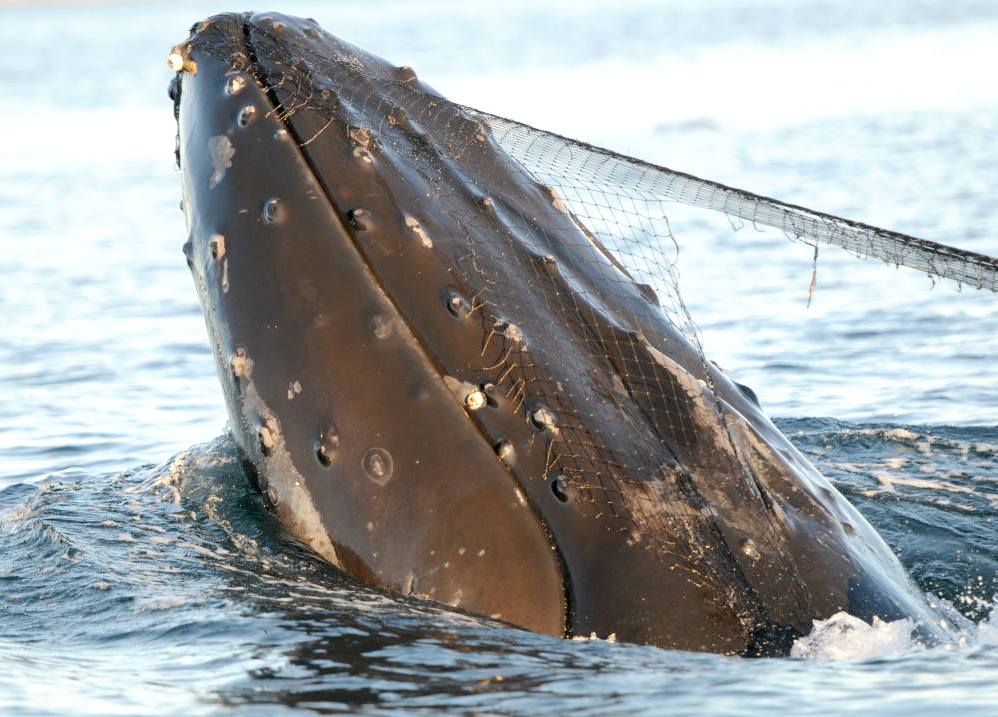
Whales
in trouble - Youtube
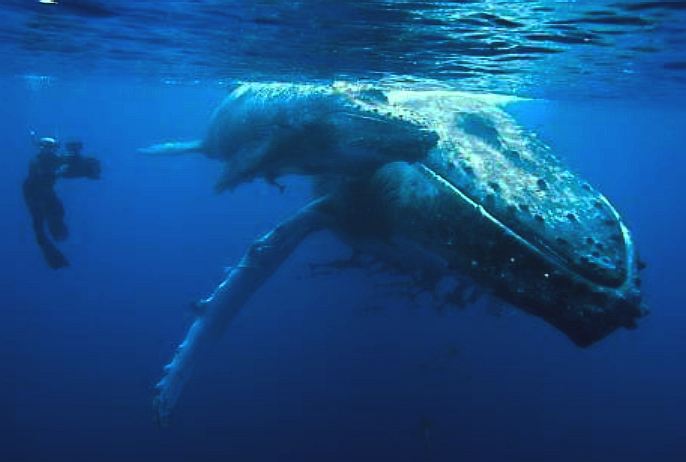
Humpback
whales up close - Youtube
Whales
singing
- Youtube
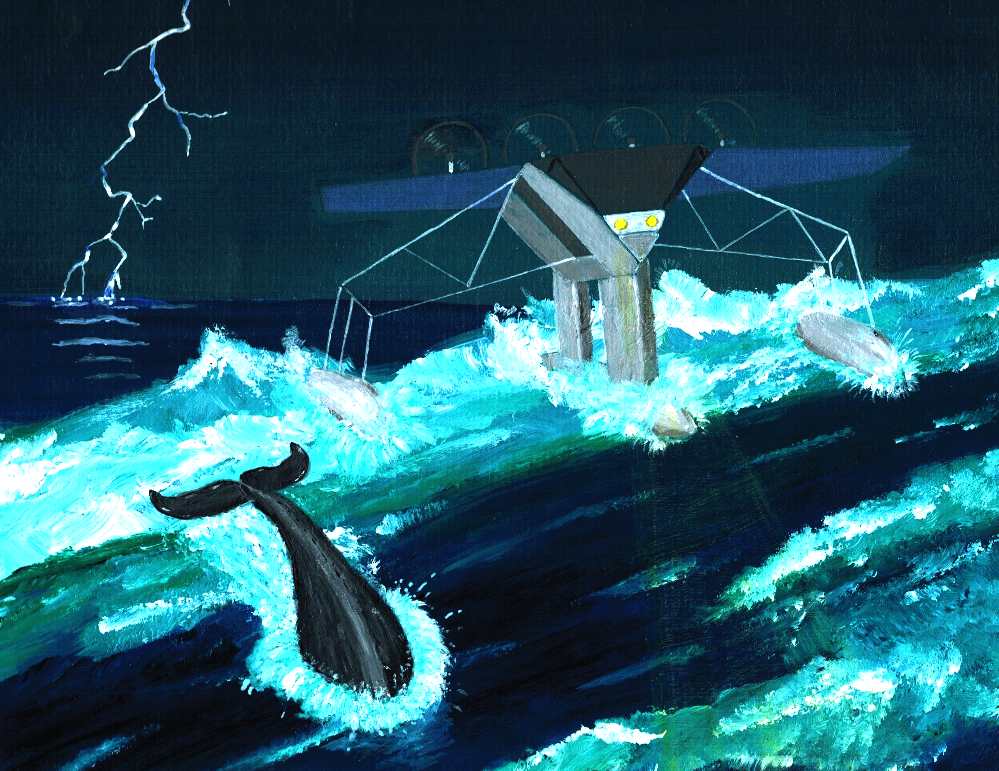
Scene 34:
Role reversal, Kulo Luna guides the damaged Solarnavigator through stormy seas.
Artwork, acrylic on paper.
Extract
of Kulo Luna - Copyright
© Jameson Hunter 2006 and
2019. The
right of Jameson Hunter to be identified as the
author of this work has been asserted in
accordance with section 77 and 78 of the
Copyright Designs and Patents Act 1988. In
this work of fiction, the characters, places and
events are either the product of the author’s
imagination or they are used entirely
fictitiously. Set
in 10/11pt Palatino by Papers
used by Electrick’s Publishers are natural,
recyclable products made from wood grown in
sustainable forests. The manufacturing processes
conform to the environmental regulations of the
country of origin.
DESCRIPTION
A
–
Adventurer
–
–
Electronics
Wizard
–
–
Solicitor
based in Sydney
–
–
Marine
Biologist
–
–
Freelance
Reporter
–
–
Camerawoman
–
–
Solar
Racer, Starlight
–
–
BBC
Newsnight Presenter
–
–
Sky News
Editor
–
–
Editor
–
–
Captain
Rainbow Warrior 4
–
–
Captain,
Suzy Wong, Japanese whaling Boat
–
–
Captain,
Jonah, Japanese whaling Boat
–
–
Japanese
Black Market Boss
–
–
Pilot
–
–
Editor
the Independent
–


















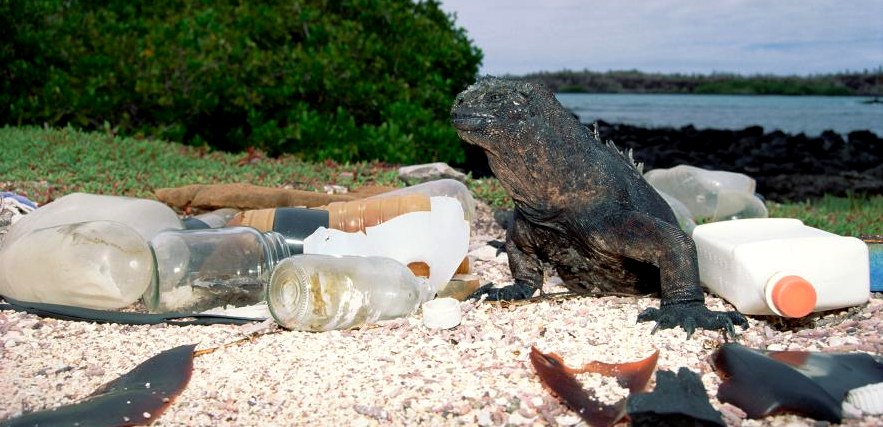
PLASTIC MENACE - The Galapagos Islands are strewn with plastic that is invading fish stocks presenting a food security issues in the making.
This webpage is Copyright © 2012 & 2020 Blueplanet Universal Productions KULO LUNA™ © BH Ltd MMXIII